When a spreadsheet stops being enough
Most businesses run on a few spreadsheets, a shared inbox and one person who knows how it all fits. The signs that a process has outgrown them, and what a small custom app does differently.
Every business we’ve worked with runs part of itself on a spreadsheet. Bookings, quotes, stock, job sheets, who’s on which site on Tuesday. Spreadsheets are brilliant for this, right up to the point where they aren’t, and that point is easy to miss because nothing breaks. Things just get slower and more fragile.
The signs
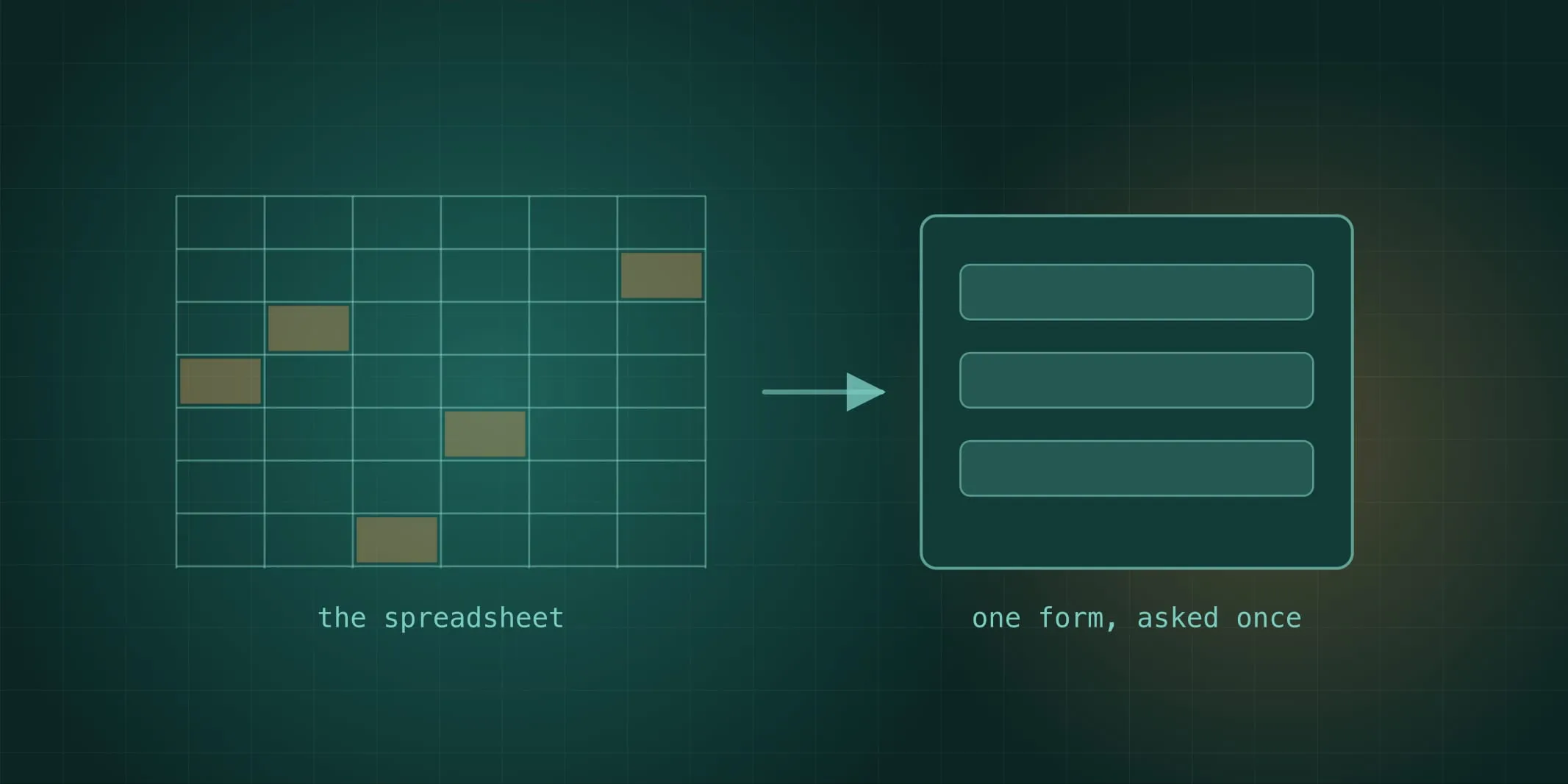
- The same information is typed in twice. Once into the spreadsheet, once into the invoice, once into the email to the customer. Every copy is a chance to get it wrong.
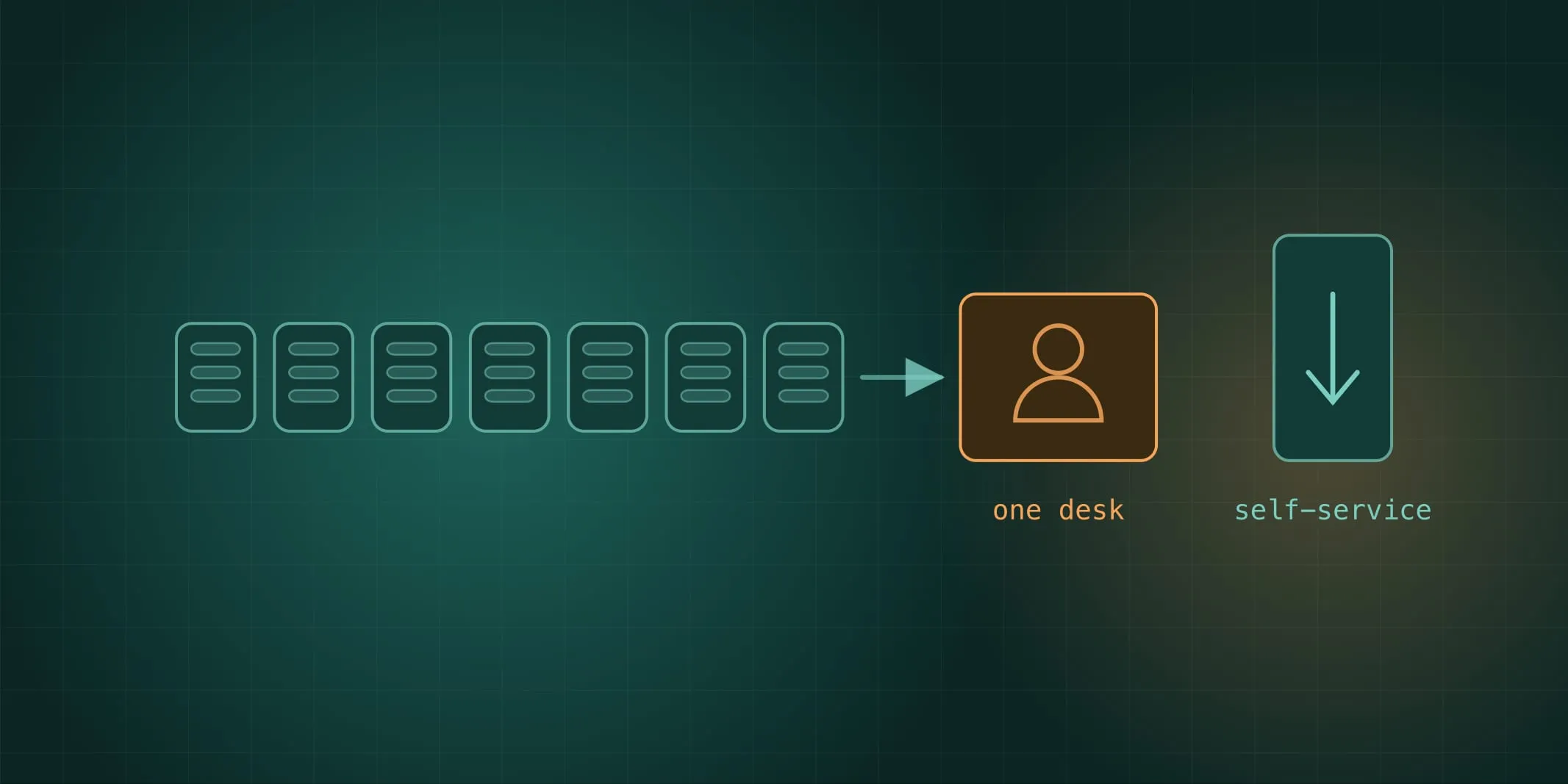
- One person is the process. They know which tab is current, which colour means what, and which rows to ignore. When they’re off, things wait or go wrong.
- “Who’s got the latest version?” is a question anyone asks, ever.
- Chasing is a job. Someone spends part of each day asking people whether they’ve done the thing, because there’s no way to see it.
- Reports take an afternoon. The numbers exist. Getting them into the shape the owner or the accountant wants is a monthly ritual.
- Mistakes are found by customers. A double booking, a missed job, a quote that was never followed up.
Two or three of these and the spreadsheet is costing more than it looks. Not in licence fees, but in hours and in errors.
What a small app does differently
The word “app” sounds bigger than it is. What we build for businesses is usually a handful of screens, built around one process, that:
- asks for each piece of information once and uses it everywhere it’s needed;
- shows everyone the same, current picture, on a phone on site or a laptop in the office;
- moves things along without chasing: the job appears on the right person’s list, the reminder goes out, the customer gets the update;
- produces the reports as a by-product rather than a monthly job;
- stops the mistakes it can stop: no double bookings, no quote without a follow-up date, no job sheet without a signature.
It doesn’t replace the accounting package or the email. It sits in the middle and does the bit the spreadsheet was straining to do.
Why not an off-the-shelf tool?
Often you should use one, and we’ll say so. If your process is the same as a thousand other businesses’, someone has built the tool already. The case for custom is when your process is the thing that makes you good, and the tools on the market keep asking you to change it to fit them.
Who builds it matters
Our day job is building the platforms that larger companies run on: banks, payment providers, logistics companies, data businesses and startups. We bring the same engineering to a booking system for a six-person firm: it’s backed up, it’s secure, it’s yours to keep, and it won’t need us standing next to it. What’s different is the conversation. We’ll talk about your process in your words, and there won’t be a diagram with the word “architecture” on it unless you ask.
If a process in your business has two or three of the signs above, tell us about it. The first conversation is free and usually ends with a clear answer to whether an app would help.